Summary
On August 23, 1990, 22-year-old Cheryl Henry and 22-year-old Andy Atkinson were brutally murdered in a secluded area of Houston known as “Lover’s Lane,” located in the Energy Corridor off Enclave Parkway. The young couple had spent the evening together and were last seen at a local nightclub before traveling to the area.
When Cheryl failed to report to work the following day, concern grew. A security guard conducting a routine patrol later noticed a vehicle parked in a cul-de-sac for an extended period of time. Upon approaching the vehicle, the guard discovered Cheryl Henry unresponsive and alerted authorities.
Officers with the Houston Police Department responded to the scene and located Andy Atkinson nearby. Both victims were pronounced deceased. Investigators later determined that Cheryl Henry had been sexually assaulted and that both victims had been killed in a brutal attack.
Over the following decades, investigators across local, state, and federal agencies pursued numerous leads in what became one of Houston’s most infamous cold cases. Despite sustained investigative effort, the person responsible remained unidentified.
In 2020, Othram was engaged to assess whether the case was suitable for forensic genetic genealogy. Using original crime scene evidence, scientists at Othram applied Forensic-Grade Genome Sequencing® to develop a comprehensive DNA profile. This profile was provided to the FBI’s forensic genetic genealogy team, where it was used to generate new investigative leads.
Investigators identified a candidate for the source of the DNA profile. Additional investigative effort and traditional STR testing ultimately confirmed the identity of the suspect as 64-year-old Floyd William Parrott.
On Wednesday, March 25, 2026, Parrott was arrested in Lincoln, Nebraska. Investigators are now working to extradite him to Houston, where he has been charged with capital murder in the 176th Criminal District Court.
This remains an active and ongoing case. Additional information will be released as it becomes available.
This is the 26th publicly announced case in the State of Texas where officials leveraged Othram’s technology. Explore other cases on Othram’s website.
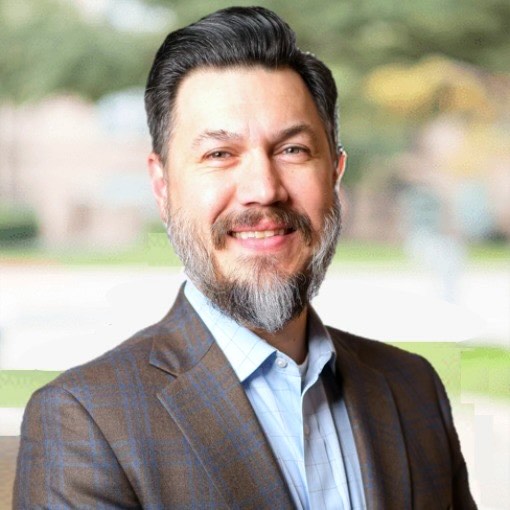
Dan Miller
Director of Customer Service
Dan guides law enforcement agencies across the United States and internationally through every step of the forensic process—from crime scene to courtroom. He ensures investigators have the support and resources they need to navigate advanced DNA testing and maximize the impact of forensic evidence in their cases.