Summary
In December 1985, the remains of an unidentified man were found in a sleeping bag in a marshy area of Kirkland, Washington, a city in King County. The Kirkland Police Department responded and began collecting evidence and investigating. Investigators believed that the man had died recently and that he was likely trying to stay warm during a snowstorm as his body was wrapped in a sleeping bag and plastic. It was determined that the man was White, between the ages of 25 to 35 years old, stood about 5'11" and approximately 160 pounds.
The man was known in the area as being transient. He rode a silver/gray 10-speed bicycle, but no one knew his actual name. Despite a lengthy investigation, the man could not be identified and became known as King County John Doe (1985). After his death, the man became known as "Bicycle Man." Details of the case were entered into the National Missing and Unidentified Persons System (NamUs) as UP16334.
In March 2025, working with the King County Medical Examiner's Office, the Kirkland Police Department submitted forensic evidence to Othram in The Woodlands, Texas where scientists determined that advanced DNA testing could help identify Bicycle Man. Othram scientists successfully developed a DNA extract from the provided evidence and then used Forensic-Grade Genome Sequencing® to build a comprehensive DNA profile for the man. Othram's in-house forensic genetic genealogy team used the profile in a genetic genealogy search to develop new investigative leads that were returned to law enforcement.
Using this new information, a follow-up investigation was conducted leading investigators to the man's potential relatives. Reference DNA samples were collected from a relative and compared to the DNA profile of the unidentified man. This investigation led to the positive identification of the man, who is now known to be William Horn. Horn was born on August 3, 1950 and was 35 years old when his remains were found.
Critical funding to enable forensic genetic genealogy testing in this case was made possible by Governor Ferguson, Attorney General Nick Brown, and the Washington State Legislature. We are so grateful for their support in providing this funding.
Individuals who have taken a consumer DNA test can aid ongoing forensic investigations by joining the DNASolves database. Expanding the pool of available DNA data increases the likelihood of successful identifications, helping to reunite families with their missing loved ones and resolve cases that have remained unsolved for years.
This is the 45th publicly announced case in the State of Washington where officials leveraged Othram’s identity inference pipeline. Explore other cases on Othram’s website.
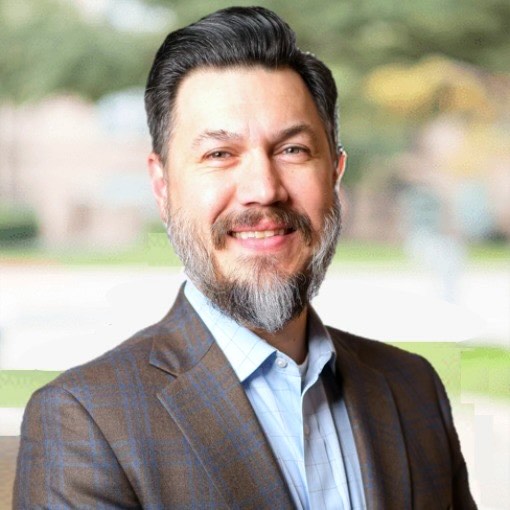
Dan Miller
Director of Customer Service
Dan guides law enforcement agencies across the United States and internationally through every step of the forensic process—from crime scene to courtroom. He ensures investigators have the support and resources they need to navigate advanced DNA testing and maximize the impact of forensic evidence in their cases.