Summary
On February 25, 1975, Edmund LaFave, 34, was found murdered inside his home in the 2900 block of Suncrest Drive in San Diego, California. He had been severely beaten and repeatedly stabbed and was discovered in his bedroom. The San Diego Police Department responded and opened a homicide investigation. Despite extensive investigative efforts at the time, no suspect was identified, and the case eventually went cold.
For decades, the case remained unsolved while preserved forensic evidence was retained for potential future analysis. In 2023, as part of a renewed cold case review, the San Diego District Attorney’s Office submitted this evidence to Othram in The Woodlands, Texas, to determine whether modern forensic DNA technology, unavailable at the time of the original investigation, could assist in identifying the person responsible for LaFave’s death.
Using advanced forensic DNA testing techniques, Othram scientists developed a comprehensive DNA profile from the decades-old forensic evidence using Forensic-Grade Genome Sequencing®. The resulting profile enabled a forensic genetic genealogical search, which generated new investigative leads. These leads were returned to law enforcement for independent follow-up and further investigative effort.
Nearly half a century after the murder, this renewed investigation led authorities to identify a suspect. Seventy-one-year-old Johnnie Salisbury of Syracuse, Indiana, was arrested on the charge of murder. The arrest was carried out with the assistance of multiple law enforcement agencies, and Salisbury is currently being held pending extradition to California, where the case will now proceed through the judicial system.
This is the 76th publicly announced case in the State of California where officials leveraged Othram’s identity inference pipeline. Explore other cases on Othram’s website.
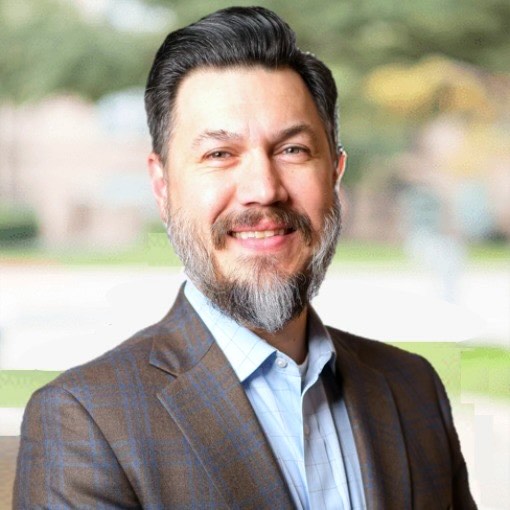
Dan Miller
Director of Customer Service
Dan guides law enforcement agencies across the United States and internationally through every step of the forensic process—from crime scene to courtroom. He ensures investigators have the support and resources they need to navigate advanced DNA testing and maximize the impact of forensic evidence in their cases.