Summary
In November 1983, Dorothy “Toby” Tate was found dead in her van about three miles north of Hearst Castle in San Simeon, California. The 41-year-old woman from Estes Park, Colorado, had been shot in the head. Investigators with the San Luis Obispo County Sheriff’s Office searched the van extensively and collected blood samples believed to be from the killer. Detectives also noted that a camera was stolen from Tate’s van, which was traced to a pawn shop a few years later. However, by that time, the camera had changed hands multiple times and none of the transactions led to an arrest.
Investigators with the Sheriff’s Office submitted several items of evidence for traditional forensic DNA testing. A male DNA profile was successfully developed from the evidence, but the individual's DNA profile did not match any known offenders in any DNA database, including CODIS. Despite exhaustive efforts by investigators, the case went cold. With no suspects in Toby Tate's murder, the case remained unsolved for many years and was eventually reopened by San Luis Obispo County Sheriff’s Cold Case/Unsolved Homicide Detectives. 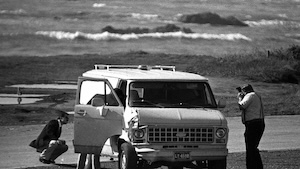
In 2023, the San Luis Obispo County Sheriff’s Office teamed with Othram to determine if advanced forensic DNA testing could help establish the identity of Tate's killer. The Sheriff's Office submitted forensic evidence to Othram in The Woodlands, Texas so that a DNA profile could be developed from the forensic evidence. Othram scientists were provided with a DNA extract that was developed from the original crime scene evidence. From this, a comprehensive DNA profile for the unknown individual was built using Forensic-Grade Genome Sequencing®. After successfully completing the process, local law enforcement coordinated a forensic genetic genealogy search, which generated new investigative leads in the case.
Throughout the investigation, investigators determined that two men were responsible for Toby Tate's murder. Fingerprints recovered from a soda can initially found at the scene placed a man named Charley Sneed there. Using forensic genetic genealogy, which was powered by Othram's forensic DNA sequencing platform, investigators identified Steven Richard Hardy as the second man responsible for Dorothy Tate’s murder.
“Both Hardy and Sneed were residents of Texas at the time and are now deceased. No evidence suggests the involvement of any additional suspects,” the San Luis Obispo County Sheriff’s Office announced. “The evidence indicates the crime was likely committed during a burglary or theft, as property belonging to the victim was later pawned in California."
This case is a reminder that every piece of preserved evidence has the potential to unlock long-awaited answers. If you’d like to support efforts to solve more cases like this, consider contributing your DNA data to the DNASolves database which aids law enforcement in identifying perpetrators and giving families the answers they deserve.
This is the 74th publicly announced case in the State of California where officials leveraged Othram’s identity inference pipeline. Explore other cases on Othram’s website.
Dan Miller
Director of Customer Service
Dan guides law enforcement agencies across the United States and internationally through every step of the forensic process—from crime scene to courtroom. He ensures investigators have the support and resources they need to navigate advanced DNA testing and maximize the impact of forensic evidence in their cases.