Summary
On March 2, 2020, officers with the Fayetteville Police Department responded to a residence on Murchison Road after neighbors reported they had not seen 49-year-old Nena Renae Mollison for several weeks. Inside the home, investigators discovered Mollison deceased. An autopsy later determined her death was due to homicide.
Despite an extensive investigation, detectives were unable to identify a suspect through traditional investigative methods. Biological evidence recovered from the crime scene, including DNA collected from a couch cushion, was preserved as investigators continued to pursue new leads.
In 2023, the Fayetteville Police Department turned to advanced forensic DNA testing to help identify the unknown contributor. Scientists at Othram used Forensic-Grade Genome Sequencing® to develop a comprehensive SNP profile from the evidence. Othram's in-house forensic genetic genealogy team the led a search to develop new investigative leads in the case. These leads were provided to law enforcement, who worked collaboratively with the Othram team to advance the case.
Ultimately, investigators identified potential relatives of the suspect, allowing them to narrow the focus of their investigation and identify 31-year-old Justice Robert Sampson as the individual who left the DNA recovered from the crime scene.
Investigators subsequently conducted additional surveillance and covertly collected a discarded saliva sample from Sampson. Additional DNA testing confirmed the sample matched the DNA profile developed from the evidence recovered inside Mollison's residence.
Sampson, 31, was arrested in Georgia and extradited to North Carolina, where he has been charged with first-degree murder in connection with Mollison's death. He is currently being held without bond as the case proceeds through the court system.
This marks the 18th publicly-announced case in North Carolina where law enforcement has leveraged Othram's technology to identify an individual. Learn more by visiting Othram's website.
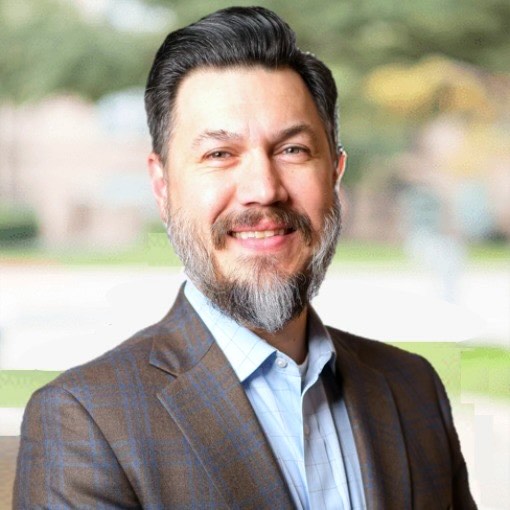
Dan Miller
Director of Customer Service
Dan guides law enforcement agencies across the United States and internationally through every step of the forensic process—from crime scene to courtroom. He ensures investigators have the support and resources they need to navigate advanced DNA testing and maximize the impact of forensic evidence in their cases.