Summary
On November 24, 1978, the skeletal remains belonging to an unidentified individual were found in a wooded area near a rest area on the westbound side of Interstate 75 in Lake City, Florida. Officers responded and began collecting evidence and investigating. A small bit of clothing was found near the remains, which were scattered and partially buried under soil and pine needles. A forensic anthropology investigation determined the remains were that of a White adult man, likely between the ages of 35 and 50 years old when he died. 
Despite a lengthy investigation, the man could not be identified and became known as Lake City John Doe. A composite sketch was developed and released to the public, but it did not result in the man's identification. Details of the case were entered into the National Missing and Unidentified Persons System (NamUs) as UP6246.
In 2025, investigators teamed with Othram to leverage identity inference, a process that enables investigators to identify individuals from DNA evidence, even when there is no known reference sample to initially compare against. Officials with the Columbia County Sheriff’s Office and the Florida Department of Law Enforcement worked together to submit forensic evidence to Othram's laboratory headquartered in The Woodlands, Texas.
At Othram, scientists worked to develop a DNA extract from the provided forensic evidence, using Forensic-Grade Genome Sequencing® to build a comprehensive SNP profile for the man. This SNP profile powered a forensic search led by Othram's in-house forensic genetic genealogy team, resulting in new investigative leads about the man's identity.
Using this new information, a follow-up investigation was conducted leading investigators to potential relatives of the man. This investigation led to the positive identification of the man, who is now known to be Lonnie "Lonny" N. Reeves, born on November 21, 1943. A family member who had not seen Reeves since 1970 provided a DNA sample that confirmed his identification.
Special thanks to FDLE, which accepted the case in its Missing and Unidentified Human Remains Program and facilitated the case being sequenced and processed by Othram using Federal BJA MUHR grant funds.
This is the 59th publicly announced case in the State of Florida where officials leveraged Othram’s identity inference pipeline. Explore other cases on Othram’s website.
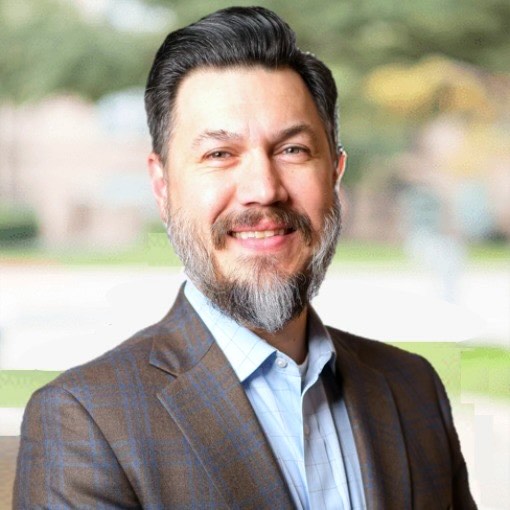
Dan Miller
Director of Customer Service
Dan guides law enforcement agencies across the United States and internationally through every step of the forensic process—from crime scene to courtroom. He ensures investigators have the support and resources they need to navigate advanced DNA testing and maximize the impact of forensic evidence in their cases.