Summary
In August 2025, officers with the Meigs County Sheriff’s Office conducted a welfare check at the residence of Monty Ritter after neighbors reported not seeing him for an extended period of time. Upon arriving at the home, officers discovered skeletal remains.
Although Ritter could not be located and was suspected to be the individual, authorities were unable to make a positive identification based on the condition of the remains. To confirm the identity of the remains, officials with the Meigs County Sheriff’s Office partnered with the Knox County Regional Forensic Center to submit evidence for advanced DNA testing.
The evidence was sent to Othram, headquartered in The Woodlands, Texas. Scientists at Othram reviewed the case details and determined that Forensic-Grade Genome Sequencing® could be used to generate a comprehensive SNP profile from the skeletal remains.
At Othram, scientists reviewed details of the case, determining that advanced DNA testing could help to identify the person. Othram scientists worked to develop a DNA extract from the provided skeletal remains, using Forensic-Grade Genome Sequencing® to build a comprehensive SNP profile for the person resulting in new investigative leads about the person's identity.
During the course of the investigation, potential relatives of Ritter were identified. Reference DNA samples were collected and compared to the unknown profile using KinSNP® Rapid Relationship Testing.
This testing confirmed that the remains belonged to Monty Ritter, the property owner, who was in his 60s. While investigators had reason to believe the remains could belong to Ritter, the use of advanced DNA testing provided the certainty required to formally confirm his identity.
Individuals who have taken a consumer DNA test can aid ongoing forensic investigations by joining the DNASolves database. Expanding the pool of available DNA data increases the likelihood of successful identifications, helping to reunite families with their missing loved ones and resolve cases that have remained unsolved for years.
This marks the 33rd publicly announced case in the State of Tennessee in which officials have leveraged Othram’s technology. Additional cases can be explored on Othram’s website.
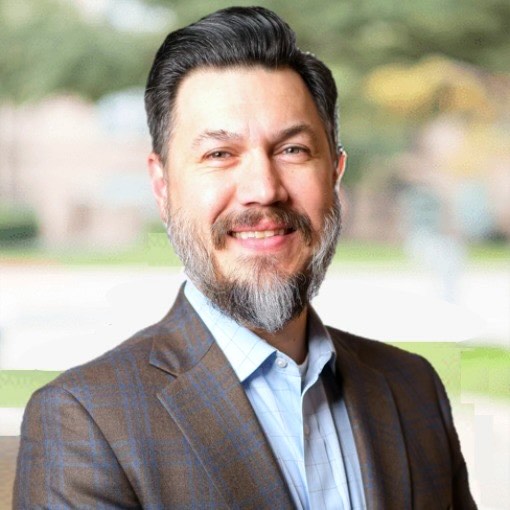
Dan Miller
Director of Customer Service
Dan guides law enforcement agencies across the United States and internationally through every step of the forensic process—from crime scene to courtroom. He ensures investigators have the support and resources they need to navigate advanced DNA testing and maximize the impact of forensic evidence in their cases.