Summary
On May 22, 1981, the body of an unidentified man was recovered from the Atlantic Ocean off Atlantic City, New Jersey. The discovery was made by individuals in a recreational boat, approximately one mile offshore from Raleigh Avenue in Atlantic City. Investigators believed that the man died several weeks before his remains were recovered.
Traditional forensic DNA testing was performed, and an STR profile was CODIS. However, there was no match and these efforts did not reveal his identity. Details of the case were entered into NamUs as UP2888.
In January 2026, Othram received forensic evidence in the case, submitted by New Jersey State Police. Othram scientists developed a DNA extract from the evidence and used Forensic-Grade Genome Sequencing® to develop a comprehensive single nucleotide polymorphism profile for the man. The resulting SNP profile was transferred to law enforcement for use in a forensic genetic genealogy search.
This search provided law enforcement with new leads in the case, which pointed to the man likely being Glen Napoleon Burbage, who was born on April 12, 1921, and had been missing since March 23, 1981.
The investigation determined that Burbage was a retired U.S. Coast Guard Chief Warrant Officer from Charleston, South Carolina. He had traveled by air to Atlantic City in March 1981 and was never heard from again.
To confirm the identification, the New Jersey State Police Missing Persons Unit worked with the South Carolina Law Enforcement Division to obtain a reference DNA sample from one of Mr. Burbage’s living relatives. This comparison confirmed that the unidentified man was Glen Napoleon Burbage.
The investigation into Burbage’s death is ongoing If you have information about his disappearance or death, please contact the New Jersey State Police Missing Persons Unit at missingpinformation@njsp.gov.
This case represents the third publicly-announced case in New Jersey where invistigators used technology developed nby Othram to identify an individual. To learn more, visit Othram's website.
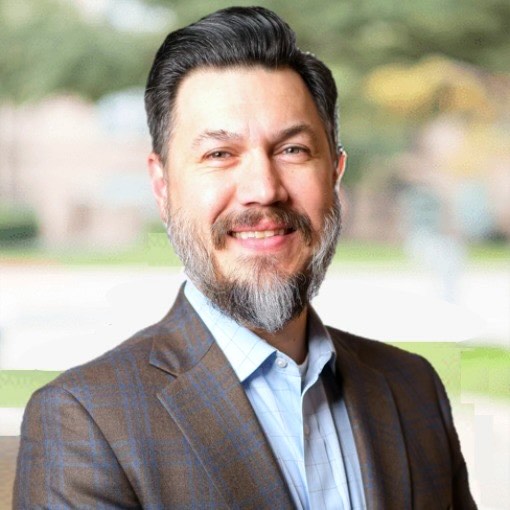
Dan Miller
Director of Customer Service
Dan guides law enforcement agencies across the United States and internationally through every step of the forensic process—from crime scene to courtroom. He ensures investigators have the support and resources they need to navigate advanced DNA testing and maximize the impact of forensic evidence in their cases.