Summary
On October 23, 1994, the decomposed remains of an unidentified woman were discovered along the east side of State Highway 64D, approximately two miles south of Interstate 40 near Dora, Oklahoma. The Sequoyah County Sheriff’s Office requested assistance from the Oklahoma State Bureau of Investigation.
The woman’s remains were transported to the Oklahoma Office of the Chief Medical Examiner for examination. Investigators estimated that she was between 35 and 50 years old and approximately 5 feet 3 inches tall. She had short, dark hair with some graying.
The woman’s cause of death could not be determined, but the manner of death was classified as homicide. Despite extensive investigative efforts, she could not be identified and became known as “Dora Doe," named for the nearby town of Dora, Arkansas. Details of the case were entered into the National Missing and Unidentified Persons System as UP5117.
In December 2020, skeletal remains were submitted to Othram in The Woodlands, Texas, to determine whether advanced DNA testing could help identify the woman. Othram scientists developed a DNA extract from the remains and used Forensic-Grade Genome Sequencing® to build a comprehensive single nucleotide polymorphism profile.
The FBI led the forensic genetic genealogy investigation and continued the research in collaboration with the Oklahoma State Bureau of Investigation and the Oklahoma Office of the Chief Medical Examiner.
The investigation generated new leads that ultimately resulted in the positive identification of Dora Doe as Maria Charlotte Kohls. Kohls was 47 years old when her remains were discovered in 1994.
Investigators determined that Kohls had never been reported missing to law enforcement. Her last known location was in the Oklahoma City area in early 1993.
The investigation into Kohls’ death remains active. Anyone with information about Maria Charlotte Kohls or her whereabouts before October 1994 is asked to contact the Oklahoma State Bureau of Investigation tip line at 1-800-522-8017 or tips@osbi.ok.gov.
This is the third publicly announced case in Oklahoma where investigators have used technology developed by Othram to identify an individual. Learn about other cases by visiting Othram’s website.
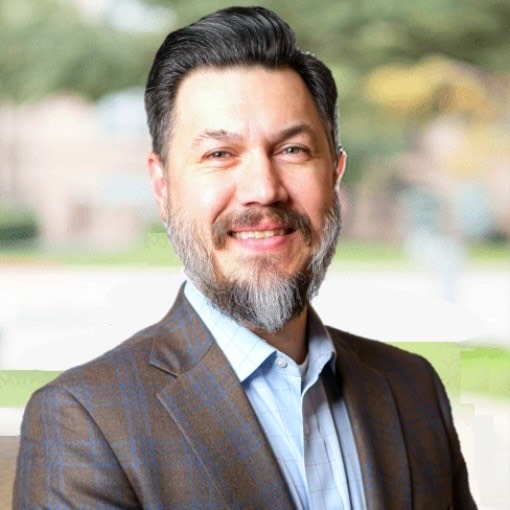
Dan Miller
Director of Customer Service
Dan guides law enforcement agencies across the United States and internationally through every step of the forensic process—from crime scene to courtroom. He ensures investigators have the support and resources they need to navigate advanced DNA testing and maximize the impact of forensic evidence in their cases.