Summary
On November 15, 1979, human remains were discovered in an open wooded area approximately 1.5 miles south of Robertsville, Missouri along State Highway N. Highway N runs south-southeast in the rural eastern part of Franklin County. The Franklin County Sheriff’s Office responded to the scene, which was near Mt. Calvary Baptist Church, and began collecting evidence and investigating.
Based on an anthropological assessment, investigators determined the remains belonged to a woman. While investigators received leads about the woman's possible identity, she could not be positively identified. Her death was ruled a homicide.
Over the year, investigators worked to confirm the woman's name. Despite their efforts, the case was cold for nearly five decades.In 2025 investigators with the Franklin County Sheriff's Office along with officials from the St. Louis County Medical Examiner's Office and Missouri State Highway Patrol Crime Laboratory requested Othram's assistance in determining the murdered woman's identity.
In March of 2025, evidence arrived to Othram's laboratory in The Woodlands, Texas. At Othram, scientists worked to develop a DNA extract from the provided evidence. This DNA extract was then used in Forensic-Grade Genome Sequencing® to build a comprehensive SNP profile for the woman. Othram's forensic genetic genealogy team then used the profile in a genetic genealogy search to develop new investigative leads that were returned to law enforcement.
These leads enabled investigators to identify a potential relative of the woman, who provided a DNA sample. The relative's DNA profile was compared to Jane Doe's profile using Othram's KinSNP testing. With this information, investigators were finally able to close the forty-seven year old case and identify the woman as Emma Lee Jordan, who was born February 11, 1957. Jordan was reported missing in January of 1979.
Legislation sponsored by State Representative Tricia Byrnes of Wentzville enabled Othram's work in this case. In 2024, Rep. Byrnes secured $1.5 million in state funding in support of the Missouri State Highway Patrol’s efforts to identify unidentified human remains through forensic genetic genealogy.
This is the 29th publicly announced case in the State of Missouri where investigators have used Othram's technology to identify an individual. Learn about other cases by visiting Othram's website.
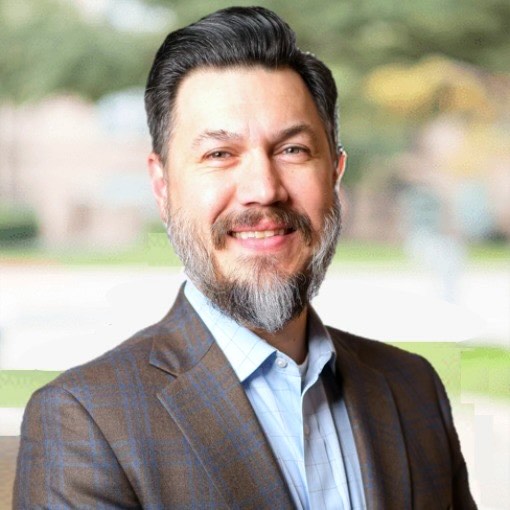
Dan Miller
Director of Customer Service
Dan guides law enforcement agencies across the United States and internationally through every step of the forensic process—from crime scene to courtroom. He ensures investigators have the support and resources they need to navigate advanced DNA testing and maximize the impact of forensic evidence in their cases.