Summary
On October 6, 1980, the skeletal remains of an unidentified man were discovered in a shallow grave near the former Hurns Shake Mill on Concrete Sauk Valley Road, near Marblemount in eastern Skagit County, Washington. The Skagit County Sheriff’s Office responded and began an investigation.
Investigators determined that the man was likely between 40 and 55 years old and stood approximately 5 feet 4 inches to 5 feet 9 inches tall. He had short brown hair that was receding at the temples. The man had no teeth but was believed to have worn dentures. Investigators also noted evidence of a possible bone graft.
Despite extensive investigative efforts, the man could not be identified. He became known as Skagit County John Doe, and details of the case were entered into NamUs as UP13290. The case remained unresolved for more than four decades.
In August 2023, skeletal remains were submitted to Othram in The Woodlands, Texas, to determine whether advanced DNA testing could help identify the man. Othram scientists successfully developed a DNA extract from the remains and used Forensic-Grade Genome Sequencing® to build a comprehensive SNP profile.
Othram’s forensic genetic genealogy team used the SNP profile in a genetic genealogy search to develop new investigative leads. These leads were returned to law enforcement for further investigation.
Using this new information, investigators conducted a follow-up investigation that led to the positive identification of the man as Jack Ashley Brooks, Jr., who was born on March 10, 1939.
Othram’s casework costs were paid by NamUs, a national program that assists the criminal justice community with the investigation and resolution of missing, unidentified and unclaimed persons cases across the United States and its territories. NamUs is funded and administered by the National Institute of Justice and is managed through a contract with RTI International. Othram is grateful for the support of RTI, NamUs and the National Institute of Justice.
This is the 51st publicly announced case in Washington where investigators have used Othram’s technology to identify an individual. Learn about other cases by visiting Othram’s website.
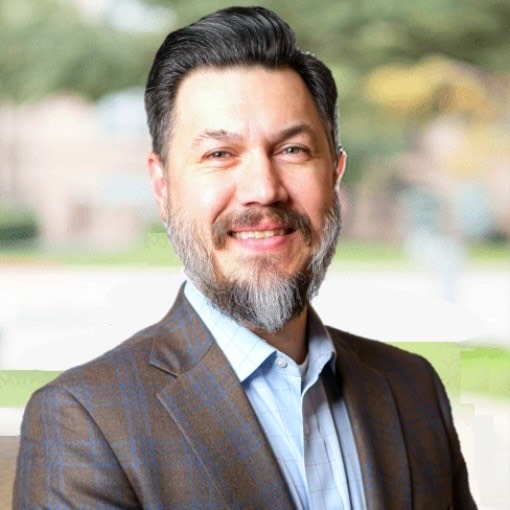
Dan Miller
Director of Customer Service
Dan guides law enforcement agencies across the United States and internationally through every step of the forensic process—from crime scene to courtroom. He ensures investigators have the support and resources they need to navigate advanced DNA testing and maximize the impact of forensic evidence in their cases.