Summary
On the morning of May 23, 1994, officers with the Stockton Police Department responded to a construction site at Spanos Park in Stockton, California where two men were found deceased. Lawrence Loehr, who worked security at the construction site, along with his friend, Eugene Cates, had been murdered. Cates had stopped by Loehr's workplace to visit after finishing work at a nearby convenience store. Both Cates and Loehr were criminal justice students at San Joaquin Delta College with hopes of one day working in law enforcement.
Investigators collected forensic evidence from the scene and worked tirelessly to identify a suspect in the case. Despite investigative efforts, the case remained unsolved for 32 years.
In 2025, investigators with the Stockton Police Department and San Joaquin County District Attorney's Office teamed with Othram to utilize advanced forensic DNA testing and forensic genetic genealogy. Evidence from the original investigation was submitted to Othram's laboratory in The Woodlands, Texas for analysis.
At Othram, scientists used Forensic-Grade Genome Sequencing® to develop a comprehensive SNP profile from the evidence. This profile enabled a forensic genetic genealogy search led by Othram's in-house forensic genetic genealogy team. This forensic search generated new investigative leads, which enabled a follow-up investigation.
Using this information, investigators identified Donald Lee Clark as a potential contributor of the DNA from the crime scene. Authorities with the San Joaquin County Cold Case Task Force, California Department of Justice Bureau of Forensic Services, and U.S. Marshals Fugitive Task Force worked together to obtain a reference DNA sample from Clark. A comparison of Clark's DNA profile against the DNA profile from evidence collected from the crime scene assisted in naming Donald Lee Clark as the suspect in the murders of Eugene Cates and Lawrence Loehr.
On April 22, 2026, members of the United States Marshals Fugitive Task Force located Clark in Stockton and took him into custody. He was subsequently booked into the San Joaquin County Jail on two counts of homicide.
This development represents a significant breakthrough in a case that remained unresolved for 32 years, demonstrating the impact of advanced forensic DNA technology in helping investigators resolve violent crimes.
This is the 85th publicly announced case in the State of California where officials leveraged Othram's identity inference pipeline. Explore other cases on Othram’s website.
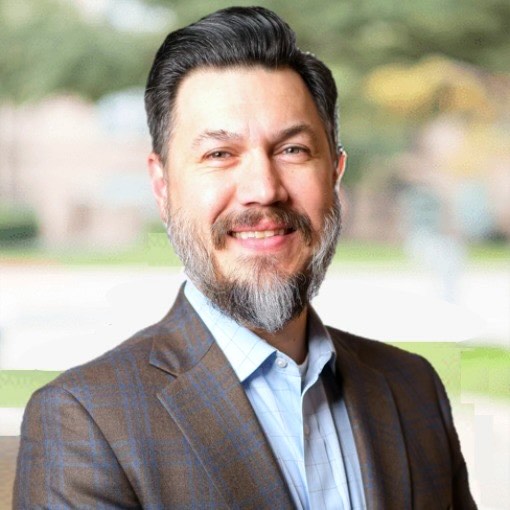
Dan Miller
Director of Customer Service
Dan guides law enforcement agencies across the United States and internationally through every step of the forensic process—from crime scene to courtroom. He ensures investigators have the support and resources they need to navigate advanced DNA testing and maximize the impact of forensic evidence in their cases.