Summary
On October 2, 1982, two men who were fishing discovered the remains of an unidentified man floating face down in an unnamed lake north of Highway 301 near Interstate 4 in Tampa, Florida.
Deputies with the Hillsborough County Sheriff’s Office responded and began an investigation. The man was unclothed and carried no identification. His official cause of death was determined to be drowning.
Prior analysis documented decomposition and multiple healed fractures with surgical hardware present. Despite investigative efforts, the man could not be identified. Details of the case were entered into NamUs as UP214, and the case remained open for decades.
As part of the investigation, the remains were exhumed through a collaboration involving the Hillsborough County Sheriff’s Office, the Hillsborough County Medical Examiner, and the University of South Florida’s Institute of Forensic Anthropology and Applied Science for comprehensive analysis.
In 2024, investigators with the Hillsborough County Sheriff’s Office submitted forensic evidence to Othram in The Woodlands, Texas. Othram scientists used Forensic-Grade Genome Sequencing® to develop a comprehensive single nucleotide polymorphism profile for the unidentified man.
Othram’s forensic genetic genealogy team used the SNP profile in a genetic genealogy search and developed new investigative leads, which were returned to law enforcement.
Using this new information, investigators conducted a follow-up investigation that led them to potential relatives of the unidentified man. This investigation resulted in the positive identification of the man as Robert William Hart.
Funding for the advanced DNA testing and forensic genetic genealogy that helped resolve this case was provided through Florida Senate Bill 678, legislation championed by Senator Jennifer Bradley to expand the use of advanced forensic DNA technology in identifying unknown individuals and advancing cold case investigations throughout Florida.
This is the 69th publicly announced case in Florida in which investigators have used Othram’s technology to identify an individual. Learn about other cases by visiting Othram’s website.
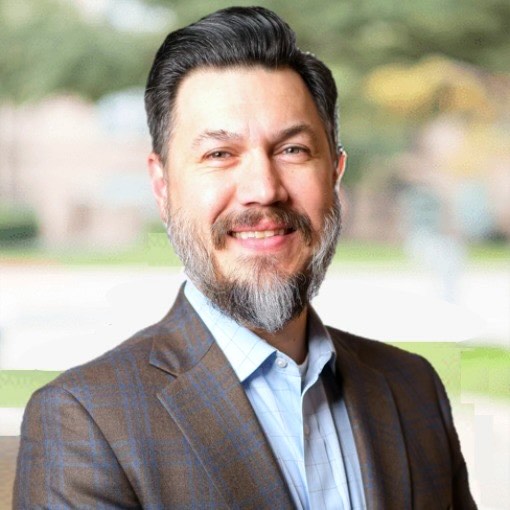
Dan Miller
Director of Customer Service
Dan guides law enforcement agencies across the United States and internationally through every step of the forensic process—from crime scene to courtroom. He ensures investigators have the support and resources they need to navigate advanced DNA testing and maximize the impact of forensic evidence in their cases.