Summary
In July 1992, the remains of an unidentified individual were found in Lake Ontario Harbour in Toronto, Ontario, Canada. The Toronto Police Service responded to a call for a man's body found in the water in the Inner Harbour area of Lake Ontario.
It was determined the remains belonged an adult man who had likely died weeks or months before being found. He was in his 20's or 30's, weighed about 160 lbs and stood about 5'10" tall. He had long dark brown hair. He was wearing two t-shirts, two pairs of jeans and two leather jackets. He also had white socks, blue and white running shoes, and a metal chain around his neck. There were no obvious signs of violent injury and the cause of death was determined to be drowning.
Despite a lengthy investigation, the man could not be identified and became known as Toronto John Doe (1992).
In 2025, as part of the Toronto Police Service’s humanitarian initiative, Project 31, investigators teamed with Othram to leverage identity inference, a process that enables investigators to identify individuals from DNA evidence, even when there is no known reference sample to initially compare against. Officials with the Toronto Police Service submitted forensic evidence to Othram's laboratory headquartered in The Woodlands, Texas.
At Othram, scientists reviewed details of the case, determining that advanced DNA testing could help to identify the man. Othram scientists worked to develop a DNA extract from the provided forensic evidence, using Forensic-Grade Genome Sequencing® to build a comprehensive SNP profile for the man. This SNP profile powered a forensic search led by Toronto Police Service's forensic genetic genealogy team, resulting in new investigative leads about the man's identity.
Using this new information, a follow-up investigation was conducted and this investigation led to the man's relatives living in Western Canada. A DNA sample was obtained from a close relative and sent to the Centre of Forensic Sciences for comparison. The man is now known to be a man named Kevin, originally from Saskatchewan. His family was notified of his identification and provided with the details of his burial location. While Kevin was not reported missing, those who loved him had long feared what had happened to him as they had not heard from him in years.
Individuals who have taken a consumer DNA test can aid ongoing forensic investigations by joining the DNASolves database. Expanding the pool of available DNA data increases the likelihood of successful identifications, helping to reunite families with their missing loved ones and resolve cases that have remained unsolved for years.
This is the 22nd publicly announced case in the Canadian Province of Ontario where officials leveraged Othram’s identity inference pipeline. Explore other cases on Othram’s website.
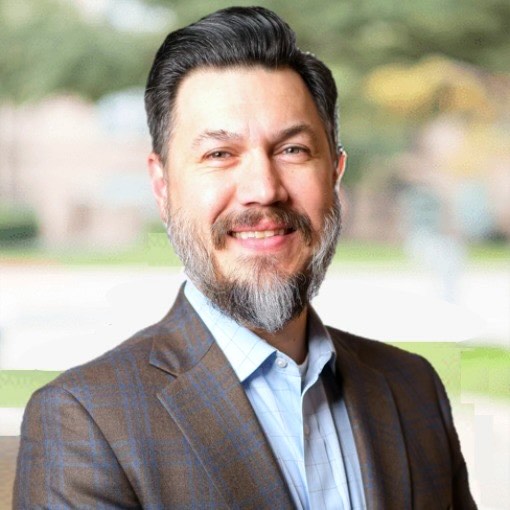
Dan Miller
Director of Customer Service
Dan guides law enforcement agencies across the United States and internationally through every step of the forensic process—from crime scene to courtroom. He ensures investigators have the support and resources they need to navigate advanced DNA testing and maximize the impact of forensic evidence in their cases.