Summary
On September 16, 2021, the Toronto Police Service was called to an area near 30 Carl Hall Road. A construction crew installing a fence found a human skull in thick brush near a new fence line. Police, under the supervision of the Office of the Chief Coroner, cut back the brush to reveal the skeletal remains of a person. A death investigation led by the Office of the Chief Coroner/Ontario Forensic Pathology Service and Toronto Police Service determined that the death was not suspicious.
An examination indicated that the unknown man had likely been deceased for several years prior to discovery. Attempts to identify the man through conventional investigative methods were unsuccessful.
In November of 2022, investigators submitted evidence to Othram's lab in The Woodlands, Texas where scientists developed a DNA extract compatible with Forensic Grade Genome Sequencing®. This DNA profile enabled TPS investigators and genetic genealogists to carry out a forensic search, providing new leads in the case.
Information provided via the forensic search suggested that the man was Indigenous, with distant relatives across Ontario and the Great Lakes region. DNA comparisons were conducted with relatives of other missing Indigenous men, but the man remained unidentified.
Finally, investigators determined that the man may be Willard Duval, who was last seen in May 2017 and reported missing in February 2018. After several months of collaboration between Toronto Police Service investigators and the Ontario Forensic Pathology Service, medical imaging records confirmed that the John Doe is Willard Duval.
Investigators located Duval’s niece and informed her of his death. Willard’s remains were buried with his brother on April 25, 2026.
This the 23rd publicly-announced case in Ontario where investigators used technology developed by Othram to identify an individual. To read about other cases in Canada, visit Othram's website.
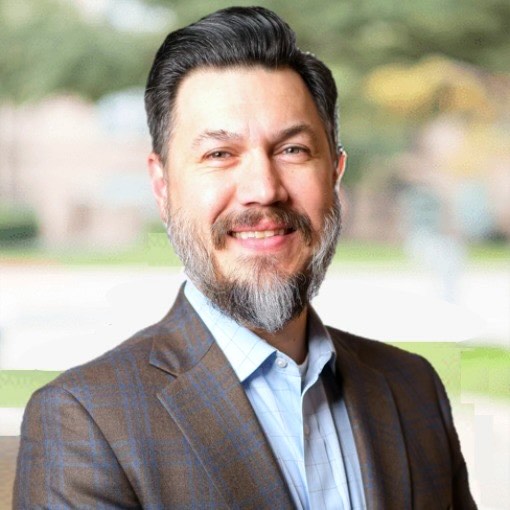
Dan Miller
Director of Customer Service
Dan guides law enforcement agencies across the United States and internationally through every step of the forensic process—from crime scene to courtroom. He ensures investigators have the support and resources they need to navigate advanced DNA testing and maximize the impact of forensic evidence in their cases.