Summary
On July 5, 2020, an unidentified man was found deceased on the front porch of a vacant residence in Birmingham, Alabama. The Jefferson County Coroner/Medical Examiner’s Office responded and began collecting evidence and investigating. The man was found unclothed and seated in a chair on the front porch of the residence in Birmingham’s East Lake neighborhood. His body was in a state of decomposition, and investigators found no identification, or personal property nearby.
Investigators estimated the man was between 60 and 70 years old. An examination later determined that his death was the result of natural causes due to hypertensive heart disease. Although investigators were able to determine how he died, they were unable to establish his identity.
Despite continued investigative efforts, the man could not be identified and he became known as Birmingham John Doe (2020). Details of the case were entered into NamUs as UP72429.
In 2025, the Jefferson County Coroner/Medical Examiner’s Office submitted forensic evidence to Othram’s laboratory in The Woodlands, Texas. At Othram, scientists used Forensic-Grade Genome Sequencing® to build a comprehensive DNA profile from the provided evidence. The DNA profile was used by Othram's forensic genetic genealogy team to develop new investigative leads that were returned to investigators.
Using this new information, a follow-up investigation was conducted leading investigators to potential relatives of the man. A member of the man's family provided a reference DNA sample which was used in a comparison via Othram's KinSNP® testing. This investigation led to the positive identification of the John Doe, who is now known to be Willie Warren Tansil Jr., who was born in July of 1952.
Advanced DNA testing conducted at Othram was paid for by NamUs, a national program that assists the criminal justice community with the investigation and resolution of missing, unidentified, and unclaimed persons cases across the United States and its territories. NamUs is funded and administered by the National Institute of Justice (NIJ) and is managed through a contract with Research Triangle Institute International (RTI).
This is the 7th publicly announced case in the State of Alabama where investigators have used Othram's technology to identify an individual. Learn about other cases by visiting Othram's website.
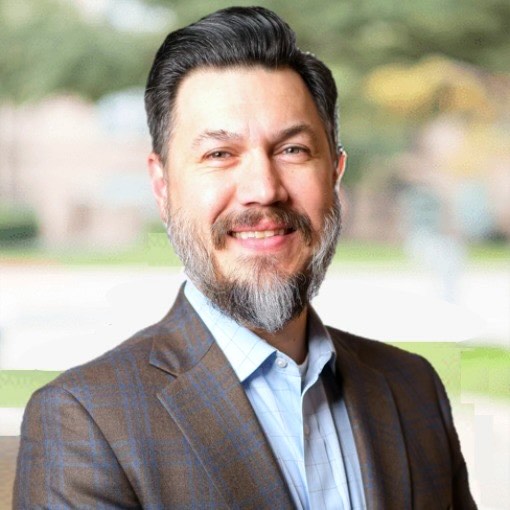
Dan Miller
Director of Customer Service
Dan guides law enforcement agencies across the United States and internationally through every step of the forensic process—from crime scene to courtroom. He ensures investigators have the support and resources they need to navigate advanced DNA testing and maximize the impact of forensic evidence in their cases.