Summary
On October 28, 2013, skeletal remains belonging to an unidentified man were discovered in a wooded area of Daytona Beach, Florida. A woman and her husband found a human skull and bones approximately 15 feet into the woods from the grass shoulder of the roadway near Mason Avenue and Clyde Morris Boulevard. The Daytona Beach Police Department responded and began collecting evidence and investigating.
Investigators determined that the remains were near-complete and belonged to a white male estimated to be between 40 and 60 years old. A pants waistband with a Wrangler patch and a blue hospital-type shoe with two Velcro straps were recovered with the remains. No signs of trauma indicating foul play were found, and the cause of death could not be determined.
Despite investigative efforts, the man could not be identified and became known as Volusia County John Doe. Details of the case were entered into the National Missing and Unidentified Persons System (NamUs) as UP12822.
The Daytona Beach Police Department submitted forensic evidence to Othram's laboratory in The Woodlands, Texas. At Othram, scientists worked to develop a DNA extract from the provided evidence, then used Forensic-Grade Genome Sequencing® to build a comprehensive DNA profile for the man. Othram's forensic genetic genealogy team used the profile in a genetic genealogy search to develop new investigative leads that were returned to law enforcement.
Using this new information, a follow-up investigation was conducted leading investigators to potential relatives of the man. Reference DNA samples were collected from potential relatives and compared to the DNA profile of the unknown man using KinSNP® Rapid Relationship Testing. This investigation led to the positive identification of the man, who is now known to be Mark Addison Hasbrouck, born on October 11, 1947.
Funding for the advanced DNA testing and forensic genetic genealogy that helped resolve this case was provided through Florida Senate Bill 678, legislation championed by Senator Jennifer Bradley to expand the use of advanced forensic DNA technology in identifying unknown individuals and advancing cold case investigations throughout Florida.
This is the 63rd publicly announced case in the State of Florida where investigators have used Othram's technology to identify an individual. Learn about other cases by visiting Othram's website.
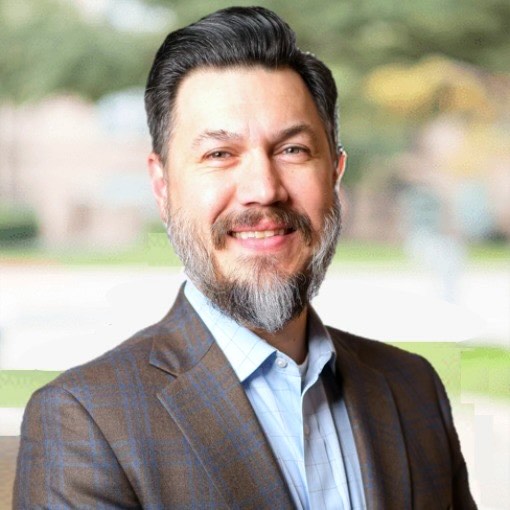
Dan Miller
Director of Customer Service
Dan guides law enforcement agencies across the United States and internationally through every step of the forensic process—from crime scene to courtroom. He ensures investigators have the support and resources they need to navigate advanced DNA testing and maximize the impact of forensic evidence in their cases.