Summary
On April 22, 2004, emergency personnel responded to a vehicle fire on Highway 401 near Highway 400 in Toronto, Ontario, Canada. After the fire was extinguished, the remains of an unidentified woman were discovered in the vehicle’s passenger seat. Investigators determined that the vehicle had intentionally collided with a tractor-trailer and that the fire had been deliberately set with gasoline after the woman had already died. The driver of the car, Suimi Kilflu "Simon" Habteab, 38, of Toronto, was convicted of multiple crimes associated with the incident. Habtrab received an eight-year custodial sentence and was deported from Canada in 2012.
Efforts to identify the woman were unsuccessful despite continued investigative work. The case went cold, and the woman remained unidentified for 22 years.
In 2022, investigators with the Toronto Police Service partnered with Othram to determine whether advanced DNA testing could help identify the individual. Forensic evidence was submitted to Othram's laboratory in The Woodlands, Texas for analysis. At Othram, scientists worked with extremely low quantities of severely-degraded human DNA to develop a comprehensive SNP profile for the woman using Forensic-Grade Genome Sequencing®.
This profile enabled a forensic genetic genealogy search, which was conducted by the Toronto Police Service. The search generated new investigative leads for law enforcement, including information about the woman’s Indigenous ancestry and a connection to Cree communities along James Bay and the Fisher River Cree Nation in Manitoba.
Using these leads, investigators conducted a follow-up investigation that resulted in the identification of the individual as Patsy Flora Lagarde (also known as Legarde). Patsy was born in Ontario in 1962. Patsy’s parents were from the Berens River First Nation and the Long Lake #58 First Nation, respectively. Further investigation led investigators to Lagarde's biological children, including one living in Alberta. Surviving family members were identified and notified, and family members were reunited as the cold case investigation advanced.
Individuals who have taken a consumer DNA test can aid ongoing forensic investigations by joining the DNASolves database. Expanding the pool of available DNA data increases the likelihood of successful identifications, helping to reunite families with their missing loved ones and resolve cases that have remained unsolved for years.
This is the 32nd publicly announced case in Ontario where officials leveraged Othram's identity inference pipeline. Learn more by visiting Othram’s website.
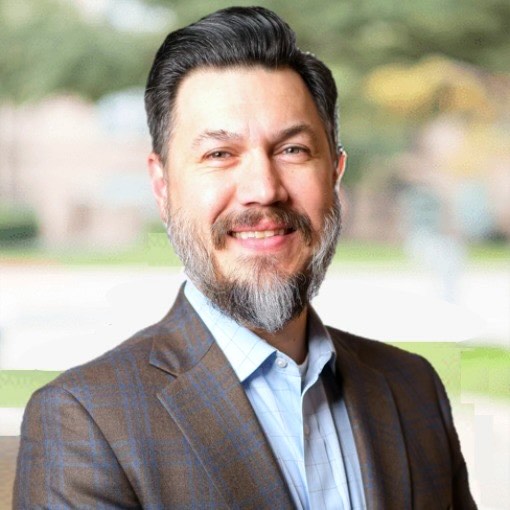
Dan Miller
Director of Customer Service
Dan guides law enforcement agencies across the United States and internationally through every step of the forensic process—from crime scene to courtroom. He ensures investigators have the support and resources they need to navigate advanced DNA testing and maximize the impact of forensic evidence in their cases.